
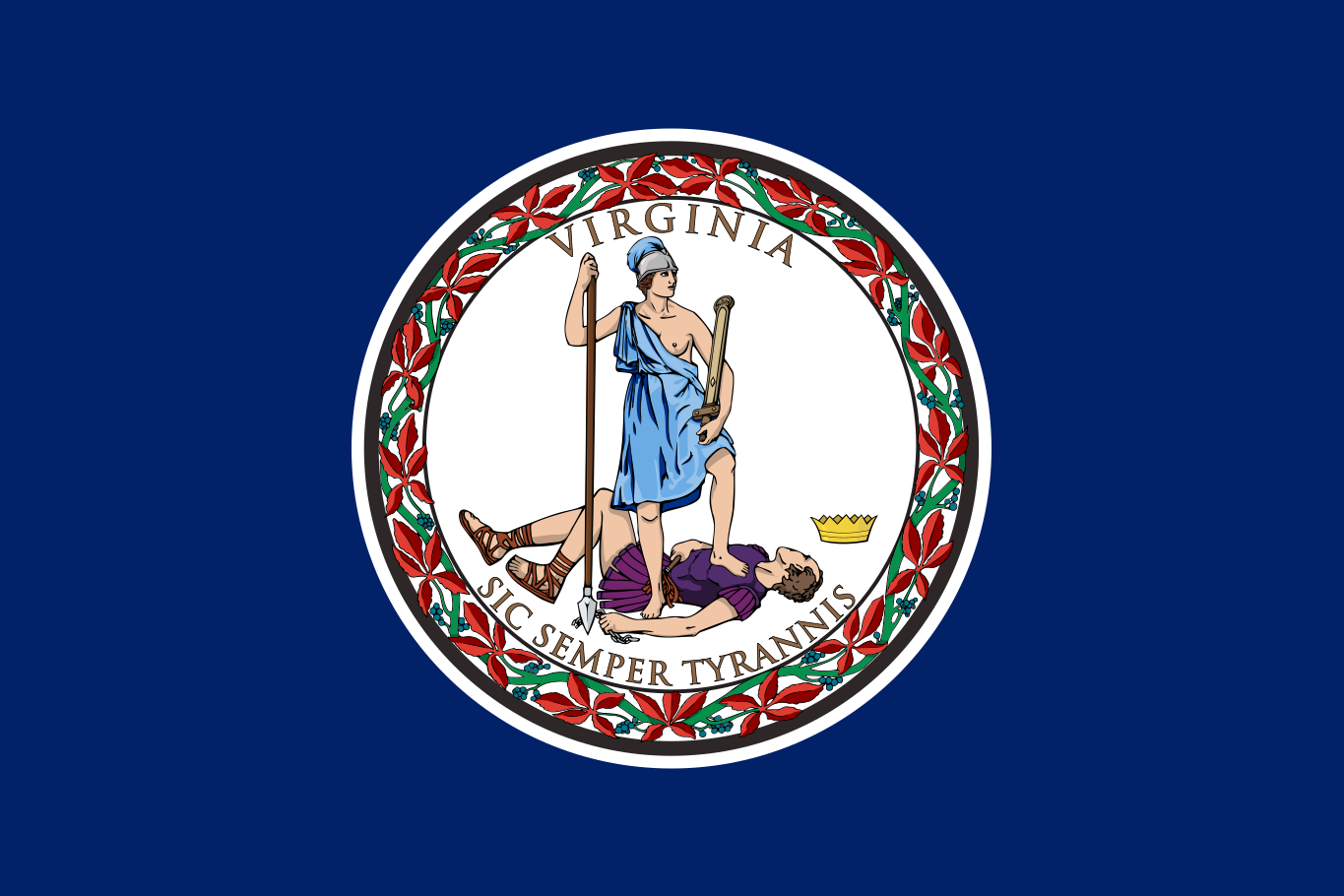
Overview
Virginia employers should treat work location as the starting point for payroll and policy decisions. As of July 1, 2026, employers must put a good-faith pay range in public and internal postings for jobs, promotions, and transfers, and may not seek applicants' pay history. The state minimum wage is $12.77 for calendar 2026. Virginia also has sector- and worker-specific noncompete limitations and a newly enacted sick-leave mandate scheduled to phase in beginning July 2027. These requirements sit alongside—not instead of—federal FLSA, FMLA, ADA, and Title VII obligations. This guide is an operational starting point, not an exhaustive statement of law.
What the category means. Virginia combines a state wage floor, wage-payment enforcement, a low-wage-worker noncompete restriction, and 2026 changes to job advertising and worker mobility. A separate paid sick leave law is enacted but does not begin until July 1, 2027, with employer-size phases; do not treat it as a blanket 2026 benefit. Federal wage, discrimination, accommodation, and family-leave laws continue to apply according to their own coverage tests. This label is Applicantz’s editorial reading, not an official risk rating.
Key Virginia laws
Virginia wage and salary range transparency — § 40.1-28.7:12
July 1, 2026Effective July 1, 2026, every public and internal posting for a job, promotion, transfer, or other employment opportunity must disclose the wage, salary, or range set in good faith. Employers may not seek or rely on applicant wage history and may not retaliate when an applicant asks for the range.
Applies to: Virginia employers; public and internal opportunity postings
Sourcesva-payCode of Virginia § 40.1-28.7:12: pay range and wage history (opens in a new tab)
Virginia Minimum Wage Act
Annual adjustment; $12.77 effective January 1, 2026The state hourly minimum is $12.77 for January 1–December 31, 2026. DOLI adjusts the rate annually; particular exemptions and federal tip-credit conditions require separate review.
Applies to: Most Virginia employees, subject to statutory exemptions
Sourcesva-minVirginia DOLI: 2026 minimum wage increase (opens in a new tab)
Paid sick leave — enacted 2026, effective 2027
Beginning July 1, 2027; employer coverage phasesVirginia has enacted a paid sick-leave article beginning July 1, 2027. Accrual is at least one hour per 30 hours worked, subject to statutory accrual/use limits, carryover, and phased employer definitions. It is not a current 2026 statewide accrual requirement.
Applies to: Employers and employees meeting the applicable phased statutory definition
Sourcesva-sickCode of Virginia § 40.1-33.6:2: phased paid sick leave (opens in a new tab)
Virginia wage-payment and noncompete protections
Ongoing wage-payment law; noncompete amendments effective July 1, 2026Virginia regulates timely wage payment and deductions. Separate 2026 amendments address healthcare-worker noncompetes and covenants after certain discharges; the low-wage-worker noncompete rule also remains in force. Evaluate the covenant, worker, and separation circumstances rather than applying a single across-the-board noncompete rule.
Applies to: Virginia employers; covenant restrictions vary by worker and circumstance
Sourcesva-wageVirginia DOLI: payment-of-wage enforcement and resources (opens in a new tab)va-2026Virginia DOLI: 2026 worker-protection law updates (opens in a new tab)
Pay rules
- Minimum wage
- $12.77 per hour for 2026; DOLI adjusts the state rate annually, and exemptions/tipped-work rules must be checked.
- Overtime
- For FLSA-covered, nonexempt employees, overtime is generally due after 40 hours in a workweek. Exemptions are fact-specific; a salary alone does not establish exemption.
- Final pay timing
- Pay earned wages by the next regular payday after separation. Do not withhold final wages as leverage for unreturned property or an unverified debt.
- Pay transparency
- Virginia is not merely a state where some large employers list ranges: from July 1, 2026, the statute reaches public and internal postings for jobs, promotions, transfers, and other employment opportunities. The employer must set a good-faith range and must not seek or rely on an applicant's wage history. This does not require an organization-wide public salary database; it does require consistent range-setting and recruiter controls.
Rates and thresholds change, and some cities and counties set their own. Confirm current figures with the sources below.
Sourcesva-minVirginia DOLI: 2026 minimum wage increase (opens in a new tab)va-wageVirginia DOLI: payment-of-wage enforcement and resources (opens in a new tab)va-payCode of Virginia § 40.1-28.7:12: pay range and wage history (opens in a new tab)flsaU.S. Department of Labor: FLSA wages and overtime (opens in a new tab)
Leave rules
Federal FMLA
Unpaid- Duration
- Up to 12 workweeks in a 12-month period for most qualifying reasons
- Applies to
- Covered employer and eligible employee; private worksite test generally 50 employees within 75 miles
Unpaid, job-protected leave with continued group health coverage on the same terms. Employee eligibility generally requires 12 months of service and 1,250 hours in the prior 12 months. Virginia has no general state PFML wage-replacement program.
SourcesfmlaU.S. Department of Labor: FMLA coverage and employee eligibility (opens in a new tab)
Virginia paid sick leave (future phased requirement)
Paid- Duration
- At least 1 hour per 30 hours worked; generally up to 40 hours unless employer provides more
- Applies to
- Applicable phased employer definition beginning July 1, 2027
Not yet an operative statewide accrual requirement on October 1, 2026. Statute provides carryover and allows a qualifying equivalent paid-leave plan; unused accrued statutory sick leave generally is not reimbursed at separation. Verify the phase that applies before implementation.
Sourcesva-sickCode of Virginia § 40.1-33.6:2: phased paid sick leave (opens in a new tab)
Employer-provided vacation or PTO
Paid- Duration
- Set by policy or agreement
- Applies to
- When offered or promised
Do not conflate employer-provided PTO with statutory sick leave or FMLA. State law governs earned wages and lawful deductions; explain any vacation payout and forfeiture terms in a clear, consistently administered policy.
Sourcesva-wageVirginia DOLI: payment-of-wage enforcement and resources (opens in a new tab)
Rebuild Virginia job-posting and interview workflows
Virginia Code § 40.1-28.7:12 took effect July 1, 2026. It requires the wage, salary, or range in each public and internal posting for a job, promotion, transfer, or other employment opportunity. The range must be set in good faith using appropriate pay scales, comparable incumbent compensation, a previously established range, or the position budget; an artificially broad range is not a safe substitute for a real one. The law also bars seeking, relying on, or using an applicant's wage history, with a narrow rule for information the applicant voluntarily discloses.
Inventory employer career pages, internal opportunity boards, recruiting platforms, and third-party recruiter instructions. Create a documented range-setting process, assign someone to approve exceptions, and remove salary-history questions from applications and interview scripts. Train recruiters not to ask a former employer or background-check vendor for the information. This is a posting and process law, not a requirement to publish every employee's pay or to use identical ranges for every role.
Sourcesva-payCode of Virginia § 40.1-28.7:12: pay range and wage history (opens in a new tab)va-2026Virginia DOLI: 2026 worker-protection law updates (opens in a new tab)
Pay covered employees correctly and close payroll cleanly
The Virginia hourly minimum wage is $12.77 from January 1 through December 31, 2026; the Department of Labor and Industry says the rate is adjusted annually. Some statutory exemptions exist. A tipped wage credit is not a shortcut around the applicable minimum: the employer remains responsible for ensuring total qualifying pay meets the required floor and for meeting federal tip-credit conditions where applicable. For nonexempt employees covered by the FLSA, overtime is generally due after 40 hours in a defined workweek, subject to specific statutory exemptions—not merely because an employee is paid a salary.
Virginia's wage-payment statute requires regular wage payment and governs deductions and wage statements. At separation, pay all earned wages on the next regular payday; do not delay wages to resolve a property dispute or deduct an amount without a lawful basis. Vacation or general PTO payout depends on the employer's policy and applicable law rather than a statewide universal vacation-accrual mandate. Keep time, rate, deduction, and final-pay records together so that payroll can explain the calculation.
Sourcesva-minVirginia DOLI: 2026 minimum wage increase (opens in a new tab)va-wageVirginia DOLI: payment-of-wage enforcement and resources (opens in a new tab)flsaU.S. Department of Labor: FLSA wages and overtime (opens in a new tab)
Separate current leave rights from enacted future requirements
Virginia has no state paid family-and-medical-leave insurance program generally replacing wages. The paid sick-leave provisions enacted for 2027 accrue at least one hour per 30 hours worked, generally with a 40-hour annual accrual/use framework and carryover, but statutory employer definitions phase coverage in over time. An existing paid-leave plan can satisfy the law only if it provides at least the required amount for the same purposes and under the same conditions. Build a dated implementation plan and consult the effective-year statutory threshold before changing accruals.
Federal FMLA leave is unpaid and job-protected only when the employer and employee qualify: private employers generally need 50 employees in 20 workweeks; the employee generally needs 12 months of service, 1,250 hours in the prior 12 months, and a worksite with 50 employees within 75 miles. Virginia's 2026 changes also restrict noncompetes for specified licensed health-care workers and limit enforcement against certain employees discharged without cause unless severance or other monetary payment is provided. The longstanding low-wage restriction remains relevant. Review the precise statutory conditions before relying on any covenant.
Sourcesva-sickCode of Virginia § 40.1-33.6:2: phased paid sick leave (opens in a new tab)fmlaU.S. Department of Labor: FMLA coverage and employee eligibility (opens in a new tab)va-2026Virginia DOLI: 2026 worker-protection law updates (opens in a new tab)
Facts and pitfalls
Worth knowing
- Virginia's 2026 posting rule includes internal advancement opportunities, not just external ads.
- The $12.77 minimum is a 2026 rate, not a permanent figure; check DOLI's annual adjustment.
- The paid-sick mandate is enacted but phased from July 2027, so the employer threshold and effective period matter.
- FMLA job protection and any wage replacement are separate questions; federal FMLA itself is unpaid.
Easy to miss
- Do not ask candidates or third parties to provide salary history after the July 2026 effective date.
- A range so broad it is not a good-faith estimate can fail the posting law.
- Do not apply one noncompete rule to every Virginia employee: low-wage, licensed healthcare, and discharged employees have distinct protections.
- Do not promise that all unused PTO or sick leave is automatically paid out; identify the source of each balance and the policy.
Employer checklist
A starting point for review, not a complete list of obligations.
- Add good-faith ranges to all Virginia external and internal job, promotion, and transfer postings.
- Remove salary-history prompts from applications and instruct recruiters not to solicit the information from candidates, former employers, or vendors.
- Update payroll to the 2026 $12.77 Virginia floor and calendar the next annual rate review.
- Set final-pay tasks to include all earned wages on the next regular payday and separately review authorized deductions.
- Inventory Virginia noncompetes, especially healthcare roles and separations without cause, against the July 2026 amendments.
- Map the 2027 paid-sick-leave phases to employee counts and test whether current PTO meets statutory purpose and conditions.
- Run FMLA coverage and eligibility tests independently rather than treating all Virginia employees as covered.
Hypothetical example
Hypothetical: a Virginia employer posts a sales role internally on August 15, 2026, and externally through a recruiting agency. The posting must include the employer's good-faith compensation range in both places. The recruiter may not ask what the finalist earned at a prior job. If the finalist later requests a higher offer and voluntarily mentions prior pay, the employer still must apply the statute's limits rather than treating that disclosure as unrestricted permission to rely on salary history.
An invented scenario for illustration. It is not a real company or a ruling.
Common questions about Virginia
Does Virginia require a salary range in every job ad in 2026?
Yes, for postings made on or after July 1, 2026, including public and internal opportunities such as promotions and transfers. The range must be set in good faith; the law also bars seeking or relying on applicant wage history.
Does Virginia's new paid sick leave law already require accrual in 2026?
No. The paid-sick-leave article is effective beginning July 1, 2027, and employer definitions phase coverage in. Check the statutory phase applicable to the particular employer before the start date.
Is final pay due on the last day in Virginia?
Generally no. Virginia requires earned wages by the next regular payday after separation. This is distinct from the obligation to calculate final wages accurately and to make only lawful deductions.
Sources and scope
Scope. Written by the Applicantz editorial team from the public sources below. It highlights common rules for small employers and does not cover every statute, exception, local ordinance or recent change. It is general information, not legal advice. Consider confirming specifics with the agency or an employment attorney. Last editorial update: October 1, 2026.
- va-2026Virginia DOLI: 2026 worker-protection law updates (opens in a new tab)
- va-payCode of Virginia § 40.1-28.7:12: pay range and wage history (opens in a new tab)
- va-sickCode of Virginia § 40.1-33.6:2: phased paid sick leave (opens in a new tab)
- va-minVirginia DOLI: 2026 minimum wage increase (opens in a new tab)
- va-wageVirginia DOLI: payment-of-wage enforcement and resources (opens in a new tab)
- fmlaU.S. Department of Labor: FMLA coverage and employee eligibility (opens in a new tab)
- flsaU.S. Department of Labor: FLSA wages and overtime (opens in a new tab)


 vs. Greenhouse
 vs. Lever
 vs. Ashby
 vs. Workable
 vs. iCIMS
 vs. SmartRecruiters
 vs. BambooHR
 vs. Rippling
 vs. Workday Recruiting
 vs. Gem
 vs. JazzHR
 vs. Teamtailor
 vs. Bullhorn
