
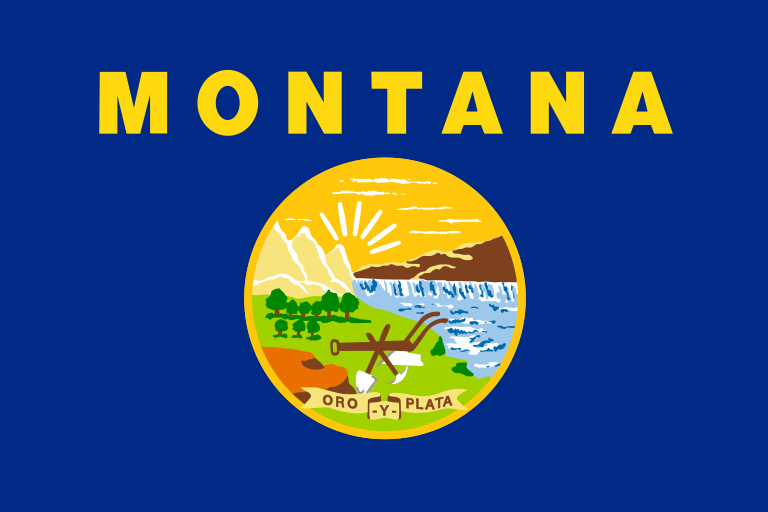
Overview
Montana requires HR to treat employment status, wage timing, and wage rates as distinct compliance issues. The WDEA creates a probationary period during which employment may be terminated at will, followed by a good-cause standard for covered employees; employers should define the period at or before the start date and document decisions without promising a mandatory progressive-discipline process. Montana's 2026 minimum wage is $10.85, with no tip credit under state law. Final pay after a discharge or layoff is due immediately unless a pre-existing written policy extends the deadline within statutory limits; resignation generally follows next payday or 15 days, whichever comes first.
What the category means. Montana is not accurately described as an at-will state after an employee completes the applicable probationary period. Under the WDEA, a discharge can be wrongful if a post-probationary employee is terminated without good cause, and other statutory grounds also exist. If the employer does not establish a probationary period before work begins, the statutory period is 12 months; an extension made before expiration cannot exceed 18 months total. Separate wage-payment rules can make final wages due immediately after a discharge or layoff unless a pre-existing written policy extends timing. This label is Applicantz’s editorial reading, not an official risk rating.
Key Montana laws
Montana Wrongful Discharge from Employment Act
Ongoing; current probation statute includes 2021 amendmentsAfter the applicable probationary period, a covered employee may have a wrongful-discharge claim when termination is not for good cause. Other statutory grounds include certain public-policy retaliation, material violation of written personnel policy, and discharge solely for lawful free-speech expression. The probationary period defaults to 12 months if not established before work begins and cannot exceed 18 months total after a timely extension.
Applies to: Covered Montana employment relationships; statutory exclusions and defenses apply
Sourcesmt-wdeaMontana Code Annotated § 39-2-904: wrongful-discharge elements (opens in a new tab)mt-probationMontana Code Annotated § 39-2-910: probationary period (opens in a new tab)
Montana Wage Payment Act
OngoingSets wage due dates and final-pay timing. Discharge/layoff wages are immediately due unless a pre-existing written policy extends payment within the statutory outside limits; a resignation is due by next regular payday or 15 days, whichever comes first.
Applies to: Montana public- and private-sector employers, subject to statute
Sourcesmt-wageMontana DLI: Wage Payment Act guidance (opens in a new tab)mt-finalMontana Code Annotated § 39-3-205: final wages (opens in a new tab)
Montana Minimum Wage Law
$10.85 effective January 1, 2026The 2026 state minimum is $10.85 and is adjusted annually for cost of living. Montana prohibits tip, meal, and training wage credits; the narrow small-business rate applies only when both the business and employee are outside FLSA coverage.
Applies to: Covered Montana employment; limited statutory and FLSA exclusions
Sourcesmt-minMontana DLI: 2026 minimum wage and annual adjustment (opens in a new tab)flsaU.S. Department of Labor: FLSA wages and overtime (opens in a new tab)
Pay rules
- Minimum wage
- $10.85/hour for 2026, subject to annual CPI adjustment. Montana does not permit a tip credit; only a narrow non-FLSA small-business rate may apply.
- Overtime
- Montana wage-and-hour law and the FLSA both require review; covered nonexempt employees generally earn overtime after 40 hours, with statutory exemptions. Montana has no general daily-overtime rule.
- Final pay timing
- Discharged or laid off: immediately unless a pre-existing written policy extends payment, never beyond the next payday or 15 days, whichever comes first. Resignation: next regular payday or 15 days, whichever comes first.
- Pay transparency
- Montana has no general statewide private-employer job-ad range mandate identified in the official materials cited. Employers remain subject to equal-pay and discrimination law, and public contracts or specific employer commitments may add obligations. The no-range boolean is limited to general job-posting disclosure; it is not a statement that pay decisions are unregulated.
Rates and thresholds change, and some cities and counties set their own. Confirm current figures with the sources below.
Sourcesmt-minMontana DLI: 2026 minimum wage and annual adjustment (opens in a new tab)mt-wageMontana DLI: Wage Payment Act guidance (opens in a new tab)mt-finalMontana Code Annotated § 39-3-205: final wages (opens in a new tab)flsaU.S. Department of Labor: FLSA wages and overtime (opens in a new tab)
Leave rules
Federal FMLA
Unpaid- Duration
- Up to 12 workweeks for most qualifying reasons
- Applies to
- Covered employer and eligible employee; generally 50 within 75 miles, 12 months of service, and 1,250 hours
Unpaid, job-protected federal leave. Montana has no general state PFML or paid-sick mandate for private employers in the official materials cited. The WDEA and wage rules still apply independently during a leave or at separation.
SourcesfmlaU.S. Department of Labor: FMLA coverage and employee eligibility (opens in a new tab)
Employer-provided sick leave or PTO
Paid- Duration
- Employer-policy-defined
- Applies to
- When offered or promised
No general Montana private-employer paid sick or vacation benefit is required by the state sources reviewed. A written policy can create an obligation; accrued benefit payout is distinct from final statutory wages and should be addressed in the policy.
Sourcesmt-wageMontana DLI: Wage Payment Act guidance (opens in a new tab)
Define probation and document post-probation decisions
Montana Code § 39-2-910 supplies a 12-month probationary period if the employer did not establish a specific period—or state that there is none—before or at the start of work. An employer may extend a period before it expires, but original and extended periods together cannot exceed 18 months. Leaves of absence are treated under the statute's own rules when counting the period. Put the selected term in an offer or policy before work begins and track start, extensions, and absences.
After the applicable period, WDEA § 39-2-904 recognizes a wrongful discharge claim if the discharge was not for good cause; the statute also addresses retaliation for public-policy activity, material violation of written personnel policy, and termination solely because of lawful expression of free speech. Good cause is fact-specific. Keep accurate performance records and follow written procedures, but do not state that Montana law always requires progressive discipline or that at-will termination is never possible.
Sourcesmt-probationMontana Code Annotated § 39-2-910: probationary period (opens in a new tab)mt-wdeaMontana Code Annotated § 39-2-904: wrongful-discharge elements (opens in a new tab)
Use a separation-specific final-pay clock
When an employee quits, unpaid wages are due by the next regular payday for the pay period or 15 days from separation, whichever occurs first. When the employer discharges or lays off an employee, wages are due immediately unless a pre-existing written personnel policy extends the time; even then, payment cannot go beyond the next payday for the period or 15 days, whichever comes first. Montana DLI summarizes these rules and also describes the limited theft-related withholding exception.
Build separate payroll workflows for resignation and employer-initiated separation. A new policy adopted after a termination does not satisfy the pre-existing-policy condition. Check hourly pay, earned bonuses, tips, commissions, deductions, and any withheld amount; keep the written policy version that was in effect at separation. For routine wages during employment, Montana's statute allows payment within ten business days after wages become due, which is not a reason to miss the final-pay deadline.
Sourcesmt-wageMontana DLI: Wage Payment Act guidance (opens in a new tab)mt-finalMontana Code Annotated § 39-3-205: final wages (opens in a new tab)
Apply Montana's minimum wage and overtime rules without a tip credit
Montana DLI lists a $10.85 minimum wage for 2026, subject to an annual cost-of-living adjustment and a federal-floor comparison. A narrow $4 rate can apply to a business not covered by the FLSA with gross annual sales of $110,000 or less; covered interstate-commerce employees still receive the greater applicable minimum. Montana does not permit a tip, meal, or training-wage credit under its wage-and-hour law.
Overtime coverage is more nuanced than a simple reference to federal law. Montana's wage-and-hour guide describes a state minimum-wage law with maximum-hours and overtime rules, subject to exemptions. Check the employee's occupation, employer coverage, and the more protective applicable standard; do not assume that paying a salary or using a job title removes overtime rights. The state wage floor and WDEA discharge standard address different subjects.
Sourcesmt-minMontana DLI: 2026 minimum wage and annual adjustment (opens in a new tab)mt-wageMontana DLI: Wage Payment Act guidance (opens in a new tab)flsaU.S. Department of Labor: FLSA wages and overtime (opens in a new tab)
Facts and pitfalls
Worth knowing
- Montana's WDEA applies a good-cause standard after the applicable probation period, not a universal at-will rule.
- The default probation period is 12 months; a pre-expiration extension may not take the total beyond 18 months.
- Discharge/layoff final wages are generally immediately due; resignation uses a next-payday/15-day rule.
- The Montana 2026 minimum is $10.85 and the state does not allow a tip credit.
Easy to miss
- Do not create or extend a probationary period after it expires; statutory timing matters.
- Do not assume an employee is still at will because a policy says so after the probationary period.
- Do not rely on a new policy to extend final pay; the extension policy must predate separation.
- Do not apply a tip credit allowed elsewhere; Montana forbids tip, meal, and training credits under state wage law.
Employer checklist
A starting point for review, not a complete list of obligations.
- State the probationary period, or explicitly state there is none, before or at the employee's start.
- Calendar the 12-month default and any written extension before it expires; never extend the total beyond 18 months.
- Maintain factual performance, policy, and investigation records and follow the written personnel policy.
- Create different final-pay workflows for resignation versus discharge/layoff and preserve the pre-existing policy relied upon.
- Apply the 2026 $10.85 minimum, check annual updates, and do not take a Montana tip credit.
- Review overtime under state and federal standards and determine which protection is more favorable.
- Test FMLA coverage and eligibility independently; do not assume Montana has a state paid-leave replacement program.
Hypothetical example
Hypothetical: a Montana employee is discharged for documented performance issues after completing a 12-month default probationary period. The employer should assess good cause using the actual record and follow its written policy; Montana law does not mechanically require progressive discipline, but inconsistent records can undermine the explanation. Payroll must pay final wages immediately unless a written personnel policy already in force validly extends the deadline within the next-payday/15-day limit.
An invented scenario for illustration. It is not a real company or a ruling.
Common questions about Montana
Is Montana an at-will employment state?
During a statutory probationary period, either side may generally end employment at will. After the applicable probation period, WDEA allows a wrongful-discharge claim for discharge without good cause, while also recognizing other statutory grounds and defenses.
How long is Montana's default probationary period?
If the employer did not establish a specific period or state there is no period before or at the start of work, the default is 12 months. A timely extension cannot make the total period longer than 18 months.
When must a Montana employer pay final wages?
A resignation is generally paid by the next regular payday or within 15 days, whichever comes first. Discharge or layoff wages are immediately due unless a pre-existing written personnel policy extends payment within those outside limits.
Sources and scope
Scope. Written by the Applicantz editorial team from the public sources below. It highlights common rules for small employers and does not cover every statute, exception, local ordinance or recent change. It is general information, not legal advice. Consider confirming specifics with the agency or an employment attorney. Last editorial update: October 1, 2026.
- mt-probationMontana Code Annotated § 39-2-910: probationary period (opens in a new tab)
- mt-wdeaMontana Code Annotated § 39-2-904: wrongful-discharge elements (opens in a new tab)
- mt-wageMontana DLI: Wage Payment Act guidance (opens in a new tab)
- mt-finalMontana Code Annotated § 39-3-205: final wages (opens in a new tab)
- mt-minMontana DLI: 2026 minimum wage and annual adjustment (opens in a new tab)
- fmlaU.S. Department of Labor: FMLA coverage and employee eligibility (opens in a new tab)
- flsaU.S. Department of Labor: FLSA wages and overtime (opens in a new tab)
 vs. Greenhouse
 vs. Lever
 vs. Ashby
 vs. Workable
 vs. iCIMS
 vs. SmartRecruiters
 vs. BambooHR
 vs. Rippling
 vs. Workday Recruiting
 vs. Gem
 vs. JazzHR
 vs. Teamtailor
 vs. Bullhorn
