
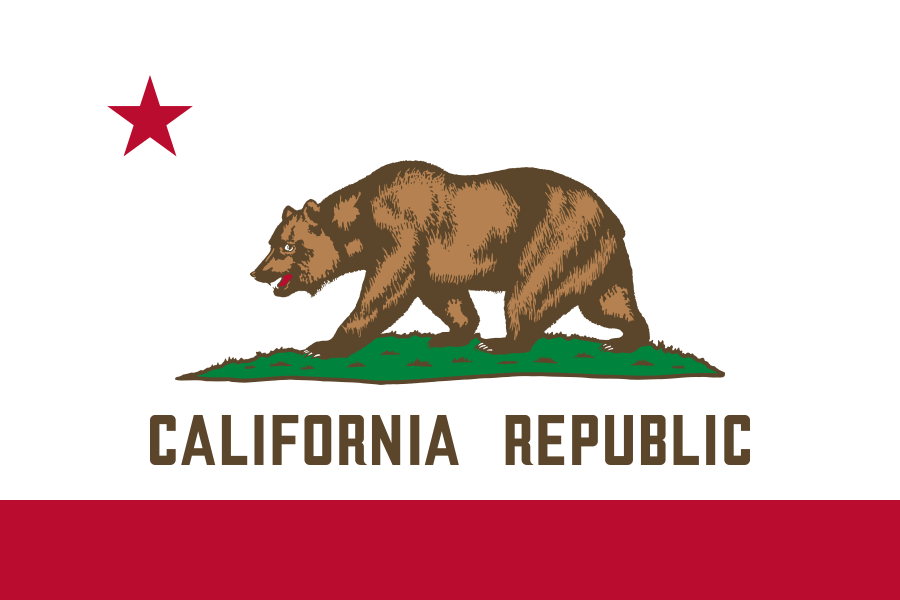
Overview
California compliance is especially sensitive to hours worked, pay-period records, and how leave programs interact. Treat minimum wage, overtime, meal and rest periods, expense reimbursement, and final wages as distinct controls; a salaried title alone does not establish an overtime exemption. CFRA and Pregnancy Disability Leave can protect time away from work, while EDD Paid Family Leave or Disability Insurance may replace part of a worker's wages. These are separate legal and benefit questions. City rules and industry wage orders may add to the statewide floor. This guide is an informational starting point, not an exhaustive statement of law or legal advice.
What the category means. A worker's California work location matters even when the company is headquartered elsewhere. Statewide rules are only the starting point: city minimum wages and leave ordinances can be more generous, while industry-specific wage orders may add requirements. Build a jurisdiction-and-worker classification step into hiring, payroll, and leave administration rather than relying on a single nationwide handbook. This label is Applicantz’s editorial reading, not an official risk rating.
Key California laws
California Family Rights Act (CFRA)
Current law; coverage expanded in 2021Employers with at least five employees must provide eligible workers up to 12 workweeks of job-protected leave for qualifying family, bonding, and personal serious-health-condition reasons. Employee service and hours tests still apply.
Applies to: Employers with 5+ employees; individual eligibility applies
Sourcesca_cfraCalifornia Civil Rights Department — CFRA Quick Reference (opens in a new tab)
Pregnancy Disability Leave (PDL)
Current FEHA requirementAn employee disabled by pregnancy, childbirth, or a related medical condition may take up to four months of leave per pregnancy; the employer threshold is five employees. PDL is distinct from CFRA bonding leave.
Applies to: Employers with 5+ employees
Sourcesca_pdlCalifornia Civil Rights Department — Pregnancy Disability Leave Fact Sheet (opens in a new tab)
Pay-scale disclosure in job postings
January 1, 2023Employers with 15 or more employees must include the pay scale in covered job postings. Separate pay-data reporting obligations can apply to larger employers; the posting requirement is not universal to every employer.
Applies to: 15+ employees for covered postings; separate reporting thresholds apply
Sourcesca_postingCalifornia DIR — Pay Transparency Complaint Instructions (opens in a new tab)
Statewide Paid Sick Leave
Current Labor Code section 246 requirementsCovered employees who work in California for the statutory minimum period receive paid sick leave. The statewide accrual and annual-use floor is generally 40 hours or five days, subject to lawful alternative frontloading and more generous local rules; protected uses include specified jury, witness, and crime-victim situations.
Applies to: Most employees working in California; statutory exclusions and local additions apply
Sourcesca_sickCalifornia DIR — Current Paid Sick Leave FAQs (opens in a new tab)ca_2026_updateCalifornia DIR — 2026 Wage and Hour Law Update (opens in a new tab)
Pay rules
- Minimum wage
- $16.90/hour statewide effective January 1, 2026; verify the worksite city and industry wage order for a higher rate.
- Overtime
- For most nonexempt employees, overtime is due after 8 hours in a workday or 40 in a workweek; double time may apply after 12 hours in a day. The FLSA has statutory industry/occupation exceptions and overtime exemptions that require current duties and compensation tests; California's stricter tests may control.
- Final pay timing
- Discharge: generally all wages immediately. Resignation with at least 72 hours' notice: generally on the last day; with less notice: generally within 72 hours. Earned vacation/PTO is generally paid out; statutory sick leave is not automatically paid out.
- Pay transparency
- This is a threshold-based posting obligation, not a rule that every California employer must publish every wage rate. Employers with 15+ employees must disclose the pay scale in covered postings. Larger employers may have separate annual pay-data reporting duties, including certain labor-contractor reporting. Salary-history inquiries are restricted. Confirm employer aggregation, the posting channel, and the current Labor Commissioner instructions before relying on an exception.
Rates and thresholds change, and some cities and counties set their own. Confirm current figures with the sources below.
Sourcesca_minimumCalifornia DIR — 2026 Minimum Wage Order (opens in a new tab)ca_finalCalifornia DIR — Final Pay (opens in a new tab)ca_postingCalifornia DIR — Pay Transparency Complaint Instructions (opens in a new tab)federal_flsaU.S. Department of Labor — FLSA Overtime Fact Sheet 23 (opens in a new tab)
Leave rules
California Family Rights Act
Unpaid- Duration
- Up to 12 workweeks in a 12-month period
- Applies to
- Employer has 5+ employees; employee generally has 12 months' service and 1,250 hours worked
Job-protected leave for qualifying reasons. EDD benefits may replace wages separately. CFRA does not cover pregnancy disability; bonding may follow PDL when eligibility and timing requirements are met.
Sourcesca_cfraCalifornia Civil Rights Department — CFRA Quick Reference (opens in a new tab)
Pregnancy Disability Leave
Unpaid- Duration
- Up to 4 months per pregnancy, as medically needed
- Applies to
- Employer has 5+ employees
Job-protected accommodation/leave for pregnancy-related disability. State Disability Insurance may provide wage replacement to an eligible claimant; that benefit is not itself the job-protection rule.
Sourcesca_pdlCalifornia Civil Rights Department — Pregnancy Disability Leave Fact Sheet (opens in a new tab)ca_pflCalifornia EDD — Paid Family Leave Benefits FAQs (opens in a new tab)
California Paid Family Leave
Paid- Duration
- Up to 8 weeks
- Applies to
- Eligible workers with qualifying state disability-insurance coverage and a qualifying event
EDD provides partial wage replacement for bonding, care, and qualifying military needs. PFL does not itself protect a job; assess CFRA and FMLA separately.
Sourcesca_pflCalifornia EDD — Paid Family Leave Benefits FAQs (opens in a new tab)ca_cfraCalifornia Civil Rights Department — CFRA Quick Reference (opens in a new tab)federal_fmlaU.S. Department of Labor — FMLA Fact Sheet 28 (opens in a new tab)
Federal FMLA
Unpaid- Duration
- Up to 12 workweeks for most qualifying reasons
- Applies to
- Most private employers with 50+ employees in 20 workweeks; eligible employees generally have 12 months' service, 1,250 hours, and a worksite with 50 employees within 75 miles
Public agencies and schools have separate employer-coverage rules. FMLA is unpaid and job-protected for eligible employees; California CFRA can cover smaller employers but has its own eligibility and qualifying-reason rules.
Sourcesfederal_fmlaU.S. Department of Labor — FMLA Fact Sheet 28 (opens in a new tab)ca_cfraCalifornia Civil Rights Department — CFRA Quick Reference (opens in a new tab)
Paid sick leave
Paid- Duration
- Generally at least 40 hours or 5 days available for use annually
- Applies to
- Most employees who work in California; statutory exclusions apply
Accrual, annual-use cap, carryover, permitted reasons, and frontload alternatives have detailed statutory rules. Check the employee's city for a more generous ordinance. Sick leave is not the same as earned vacation for termination payout.
Sourcesca_sickCalifornia DIR — Current Paid Sick Leave FAQs (opens in a new tab)ca_2026_updateCalifornia DIR — 2026 Wage and Hour Law Update (opens in a new tab)ca_finalCalifornia DIR — Final Pay (opens in a new tab)
Wage statements, hours, and the state minimum
Use the work location to identify the applicable minimum wage, then check whether a city rate or an industry wage order is higher or imposes extra rules. The 2026 statewide rate is $16.90 per hour; the state publishes official notices and industry orders, and local rates may exceed it. Preserve accurate time records for all hours worked, including required training, opening or closing duties, and work performed remotely. An exemption requires meeting the applicable salary and duties tests; calling a role salaried or professional is not enough.
California generally requires daily overtime after eight hours in a workday and weekly overtime after 40 hours in a workweek, with double time in specified circumstances. A valid alternative workweek schedule has formal prerequisites; an informal team practice does not waive the daily rule. Nonexempt employees generally receive a duty-free meal period by the fifth hour and paid rest periods based on hours worked. Audit time records, actual break practices, and pay statements together, since a compliant policy does not cure a repeated operational failure.
- Map each employee to the actual work city and applicable wage order.
- Review timekeeping for off-the-clock work, daily overtime, missed breaks, and reimbursements.
Sourcesca_minimumCalifornia DIR — 2026 Minimum Wage Order (opens in a new tab)ca_finalCalifornia DIR — Final Pay (opens in a new tab)federal_flsaU.S. Department of Labor — FLSA Overtime Fact Sheet 23 (opens in a new tab)
Separate protected leave from state wage-replacement benefits
CFRA generally applies to employers with five or more employees. Eligible employees may take up to 12 workweeks of job-protected leave in a 12-month period for their own serious health condition, care for specified family members, or bonding with a new child. Eligibility is individual as well as employer based: generally 12 months of service and 1,250 hours in the preceding 12 months. CFRA does not cover an employee's own pregnancy disability; that leave is separately addressed by Pregnancy Disability Leave, which applies to employers with five or more employees and can provide up to four months per pregnancy when medically needed.
EDD Paid Family Leave and State Disability Insurance provide partial wage replacement to eligible contributors; they do not independently guarantee reinstatement. PFL generally covers up to eight weeks for bonding, care, and qualifying military needs. Separately, the Labor Commissioner reports that recent AB 406 and AB 2499 updates clarify protected sick-leave uses including jury duty, responding to a subpoena or court order as a witness, and certain crime-victim situations. Determine which law protects an absence, whether programs run concurrently, and what notices are due.
Sourcesca_cfraCalifornia Civil Rights Department — CFRA Quick Reference (opens in a new tab)ca_pdlCalifornia Civil Rights Department — Pregnancy Disability Leave Fact Sheet (opens in a new tab)ca_pflCalifornia EDD — Paid Family Leave Benefits FAQs (opens in a new tab)ca_2026_updateCalifornia DIR — 2026 Wage and Hour Law Update (opens in a new tab)federal_fmlaU.S. Department of Labor — FMLA Fact Sheet 28 (opens in a new tab)
Hiring disclosures, accrued vacation, and separation payroll
Employers with 15 or more employees must include the pay scale in covered job postings; the threshold and posting scope should be assessed for the employer, not merely the individual hiring team. Employers with 100 or more employees may also have California pay-data reporting duties, with distinct reporting rules for labor-contractor employees. Do not ask applicants for salary history. If a posting is distributed through a third party, confirm that the required range is present and that the range reflects what the employer reasonably expects to pay.
At involuntary termination, all earned wages are generally due immediately. A worker who resigns with at least 72 hours' notice is generally owed final wages on the last day; without that notice, payment is generally due within 72 hours. Accrued, unused vacation or vested PTO is treated as wages and is ordinarily paid at separation; accrued statutory sick leave is not automatically a vacation balance and need not be paid out under the statewide rule. Payroll should also review commissions, expense reimbursements, and local requirements before issuing the final statement.
Sourcesca_postingCalifornia DIR — Pay Transparency Complaint Instructions (opens in a new tab)ca_finalCalifornia DIR — Final Pay (opens in a new tab)ca_minimumCalifornia DIR — 2026 Minimum Wage Order (opens in a new tab)
Facts and pitfalls
Worth knowing
- The 2026 statewide minimum is verified at $16.90, but city schedules and industry wage orders can require more.
- Accrued vacation/PTO is generally a wage at separation; statutory sick leave is treated differently.
- PFL/SDI provide benefits, while CFRA, PDL, and FMLA determine job-protected leave.
- California daily overtime and break premiums require workday-level timekeeping, not just weekly totals.
- Employer-paid necessary business expenses, including required remote-work expenses, need a documented reimbursement process.
Easy to miss
- A handbook's paid-break or meal policy is insufficient if managers routinely interrupt duty-free breaks.
- A California employee's location can trigger state and city rules even if headquarters and payroll are elsewhere.
- Do not automatically pay sick leave as vacation, or forfeit an accrued vacation balance under a use-it-or-lose-it policy.
- PFL approval does not decide whether CFRA or FMLA protects the absence.
Employer checklist
A starting point for review, not a complete list of obligations.
- Record each worker's actual work location and check statewide, local, and industry wage rates.
- Validate exemption classifications against both salary and duties tests; audit California daily overtime.
- Publish compliant pay ranges on covered postings and determine separately whether pay-data reporting applies.
- Maintain distinct CFRA, PDL, FMLA, PFL, and disability-benefit notices and calendars.
- Reconcile vacation/PTO, sick leave, commissions, reimbursements, and statutory final-pay deadlines at termination.
- Review paid sick leave accrual, permitted uses, frontload method, notice, and local ordinance coverage.
Hypothetical example
Hypothetical: A California software company with 22 employees posts a remote role open to California residents, then terminates an employee who has accrued vacation and sick time. The employer should first confirm that the posting includes the required pay scale. On separation it should pay all earned wages immediately, include earned vacation under its policy, and not assume statutory sick leave is payable as vacation. It should separately document the employee's final sick balance and check local rules.
An invented scenario for illustration. It is not a real company or a ruling.
Common questions about California
Does California Paid Family Leave guarantee the employee's job?
No. EDD PFL is partial wage replacement. Job restoration may be available under CFRA, FMLA, or another applicable law, each with separate employer coverage and employee eligibility requirements.
Must every California employer list a salary range in every ad?
No. The state posting rule applies to employers with 15 or more employees and covered job postings. Separate pay-data reporting thresholds and local rules should be analyzed independently.
Does unused paid sick leave get paid out when an employee leaves?
Not automatically under the statewide paid sick leave rule. Earned vacation or a combined PTO balance that functions as vacation is generally treated differently and is paid at separation.
Can a California manager treat overtime as only hours above 40?
Usually not for nonexempt employees. California's daily overtime rules can require premiums before the employee reaches 40 weekly hours; exemptions and alternative schedules have specific tests.
Sources and scope
Scope. Written by the Applicantz editorial team from the public sources below. It highlights common rules for small employers and does not cover every statute, exception, local ordinance or recent change. It is general information, not legal advice. Consider confirming specifics with the agency or an employment attorney. Last editorial update: October 1, 2026.
- ca_minimumCalifornia DIR — 2026 Minimum Wage Order (opens in a new tab)
- ca_sickCalifornia DIR — Current Paid Sick Leave FAQs (opens in a new tab)
- ca_2026_updateCalifornia DIR — 2026 Wage and Hour Law Update (opens in a new tab)
- ca_cfraCalifornia Civil Rights Department — CFRA Quick Reference (opens in a new tab)
- ca_pdlCalifornia Civil Rights Department — Pregnancy Disability Leave Fact Sheet (opens in a new tab)
- ca_pflCalifornia EDD — Paid Family Leave Benefits FAQs (opens in a new tab)
- ca_postingCalifornia DIR — Pay Transparency Complaint Instructions (opens in a new tab)
- ca_finalCalifornia DIR — Final Pay (opens in a new tab)
- federal_fmlaU.S. Department of Labor — FMLA Fact Sheet 28 (opens in a new tab)
- federal_flsaU.S. Department of Labor — FLSA Overtime Fact Sheet 23 (opens in a new tab)
Keep exploring
Related glossary terms
- Pay transparencyDisclosing pay ranges in job postings or on request.
- Total compensationAll pay and benefits a candidate would receive.

 vs. Greenhouse
 vs. Lever
 vs. Ashby
 vs. Workable
 vs. iCIMS
 vs. SmartRecruiters
 vs. BambooHR
 vs. Rippling
 vs. Workday Recruiting
 vs. Gem
 vs. JazzHR
 vs. Teamtailor
 vs. Bullhorn
